
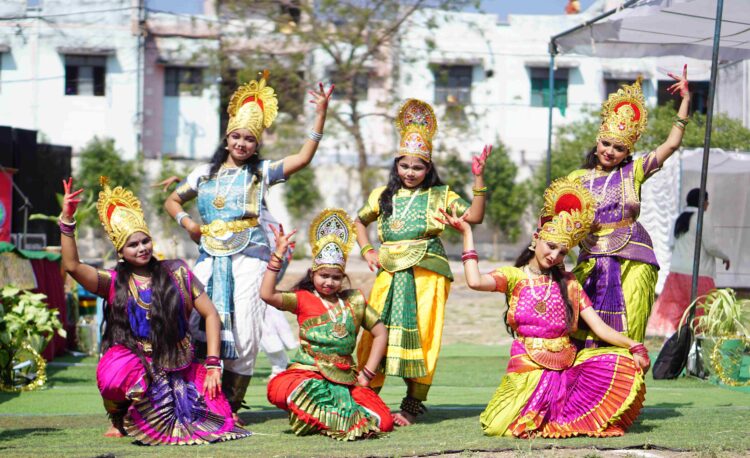
Dance is one of the oldest and most universal forms of human expression. Found in every culture across the world, it combines movement, rhythm, and music to communicate emotions, tell stories, or simply celebrate life. From traditional tribal rituals to modern stage performances, dance has evolved over time but continues to play an important role in human society.
Every culture has its own unique dance traditions that reflect its history, beliefs, and identity. Classical dances like Bharatanatyam from India or Flamenco from Spain carry deep cultural meanings and are often passed down through generations. Folk dances, performed during festivals and celebrations, help preserve a community’s heritage and bring people together in joyful unity.
Dance is not just an art form — it’s also an excellent physical activity. It improves coordination, balance, flexibility, and cardiovascular health. Beyond the physical, dancing also supports mental well-being by reducing stress, boosting mood, and building confidence. For many, it becomes a way to stay healthy while enjoying the creative process.
The world of dance is incredibly diverse, ranging from the elegance of ballet to the high energy of hip-hop, the precision of ballroom, and the improvisation of contemporary dance. Each style has its own rules, techniques, and appeal, offering dancers and audiences countless ways to connect with movement and music.
Perhaps most importantly, dance allows individuals to express emotions that words often cannot capture. Whether it’s joy, sorrow, love, or anger, dancers can convey deep feelings through their body. This emotional connection — between performer and audience, or even within the dancer themselves — is what makes dance so powerful and timeless.